Desert homes often deal with dry air, high heat, and water rich in minerals. That mix can place steady stress on pipes, fixtures, and water-using appliances. Many homeowners first notice hard water through cloudy glasses, dry skin, or white spots near faucets. However, the bigger issue often occurs within the plumbing system, where mineral buildup builds slowly.
Hard water contains calcium and magnesium. These minerals are not usually unsafe to drink, but they can leave deposits behind. Over time, those deposits narrow pipes, reduce water flow, and raise pressure inside the system. As a result, small plumbing problems can turn into costly repairs.
Why Desert Homes Often Face Hard Water Problems
Many desert areas rely on groundwater. This water often passes through rock and soil before reaching homes. During that process, it picks up minerals. So, by the time it enters the plumbing system, it may already carry a high mineral load. Heat can also make hard water issues more noticeable. Warm water leaves mineral deposits faster than cold water. Therefore, water heaters, hot water lines, and shower valves often show damage sooner.
Homeowners may see signs such as:
- White crust around faucets
- Low water pressure
- Spots on dishes
- Stiff laundry
- Shorter appliance life
These signs may seem small at first. Still, they often point to deeper buildup inside pipes.
How Mineral Buildup Starts Inside Pipes
Hard water leaves tiny mineral particles behind each time water moves through a pipe. At first, this buildup may be thin. However, layer after layer can form over months or years. This process is often called scale buildup. Scale usually sticks to pipe walls, fittings, valves, and water heater parts. As it grows, it creates a rough surface. Then, more minerals attach to that rough area. So, the buildup can spread faster once it begins.
“Small mineral layers can cause big water flow problems when they build up year after year.”
This matters because pipes need open space for water to move freely. When the scale narrows that space, water pressure changes. Fixtures may drip, toilets may refill slowly, and showers may feel weak.
What Hard Water Can Do To Pipe Materials
Different pipe materials react to hard water in different ways. Some pipes may handle minerals better than others. However, no plumbing system is completely immune to hard water effects.
| Pipe Area Or Part | Common Hard Water Effect | What Homeowners May Notice |
| Hot water pipes | Faster scale buildup | Weak hot water flow |
| Faucet valves | Sticking parts | Drips or hard turning |
| Showerheads | Blocked spray holes | Uneven water spray |
| Water heater parts | Sediment buildup | Less hot water |
| Older metal pipes | More wear over time | Rust-colored water or leaks |
It affects many parts that homeowners use every day. Since desert homes often use more water for washing, cooling, and daily cleaning, the strain can build up faster.
Why Water Pressure May Drop Over Time
Low water pressure can feel frustrating. Showers take longer, sinks fill slowly, and washing machines may run less smoothly. Hard water often plays a role because mineral buildup can limit water flow through the pipe. At first, pressure changes may seem minor. Then, the problem may spread to several rooms. Homeowners may think the city water supply caused it. However, buildup inside the home can also be the cause.
A few common warning signs:
- Hot water pressure drops before cold water
- One shower feels weaker than another
- Faucets make sputtering sounds
- Water takes longer to reach appliances
These signs deserve attention. If ignored, pressure stress can affect joints, seals, and valves.
How Hard Water Affects Water Heaters
Water heaters often suffer first because heat speeds mineral buildup. When hard water heats up, minerals settle at the bottom of the tank. This creates sediment. As sediment grows, the heater must work harder.
That extra strain may lead to higher energy use. It may also reduce the amount of hot water available. In some homes, the heater may pop, rumble, or make cracking sounds. These sounds often come from trapped water heating under sediment.
“Hard water can make a water heater work harder before homeowners see any clear pipe damage.”
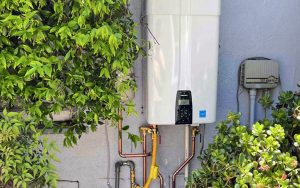
Tankless water heaters can also face scale problems. Small internal parts may clog, and flow sensors may struggle. Regular flushing may help, but the right care depends on the system.
Signs Homeowners Should Not Ignore
Some hard water signs look harmless. Yet they can point to deeper plumbing stress. Homeowners should watch for changes in water flow, fixture behavior, and hot water performance.
Early signs:
- Chalky marks near faucets
- Showerheads that clog often
- Dry-feeling dishes after washing
- Slow hot water flow
- Frequent faucet drips
- Water heater noise
These signs do not always mean pipes are failing. However, they show minerals are active in the home. Therefore, homeowners should not wait for leaks before taking action.
Daily Use Clues
Daily routines often reveal the first clues. For example, soap may not lather well. Also, glassware may look cloudy even after washing.
Plumbing Clues
Plumbing clues often appear later. These may include pressure drops, blocked aerators, or water heater sediment.
What Homeowners Can Do Before Damage Gets Worse
Homeowners can take simple steps to reduce the stress of hard water. First, they can clean faucet aerators and showerheads. This helps restore flow at fixtures. However, it does not remove buildup deep inside pipes. They can test water hardness. Many hardware stores offer simple test kits. A water test helps show the amount of mineral content present. Then homeowners can decide which steps best fit the home.
Common prevention steps:
- Flush the water heater as recommended
- Clean showerheads before the spray holes clog
- Check water pressure changes each month
- Replace worn washers and seals early
- Ask about water treatment options when the buildup returns often
Why Early Action Protects Home Comfort
Hard water damage usually builds slowly. That makes it easy to ignore. However, slow damage still affects comfort, cost, and daily use. A home with steady water flow feels easier to manage. Showers work better. Laundry feels cleaner. Appliances may also last longer with less mineral stress. Early action also helps homeowners make better choices. Instead of waiting for a leak, they can track signs and ask clear questions. They can also learn which parts of the plumbing system need care first. Homeowners should consider hard water a long-term home issue, not a one-time cleaning task.
A Home With Cleaner Flow Starts With Better Awareness
Hard water may seem like a minor desert-living problem, but it can affect pipes every day. Mineral buildup can lower water pressure, strain water heaters, clog fixtures, and wear down plumbing parts. Because damage often starts inside pipes, homeowners may not see the full extent of the problem right away.
The best step is to notice early signs and respond before damage spreads. Regular checks, water testing, and proper care can help protect comfort and reduce plumbing stress. For homeowners who want guidance on hard water concerns, DND Plumbing can review visible signs and help explain what may be happening inside the system.
FAQs
How can pipe damage caused by hard water be detected early?
Look for low water pressure, clogged showerheads, white buildup, noisy water heaters, and slow hot water flow.
Is hard water unsafe to drink?
Hard water is usually not unsafe to drink. However, its minerals can cause buildup inside pipes and fixtures.
Why is hard water common in desert homes?
Many desert areas use groundwater. This water often collects minerals from rock and soil before reaching homes.
Can hard water cause leaks?
Hard water can raise pressure and wear down parts over time. As a result, weak areas may leak sooner.Does cleaning faucets fix hard water pipe damage?
Cleaning faucets helps remove surface buildup. However, it does not remove scale inside pipes or water heaters.