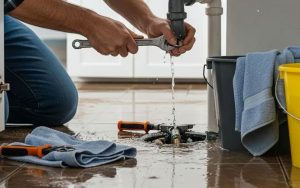
A water heater sounds simple until it quits. Then, every choice feels urgent. Should a California homeowner choose a tank water heater or go tankless? The answer depends on space, budget, water use, and local rules. Also, homes in California face needs that homes elsewhere may not face. Families may want lower bills, faster recovery, or more garage space. Meanwhile, many cities are pushing for cleaner equipment and lower emissions. So, the best choice is not always the flashiest one. It is the one that fits the home. This guide breaks down tank vs tankless water heaters in California in a clear way. It also explains cost, comfort, codes, and daily use.
Why the Debate Matters in California
California homes use hot water every day. Showers, laundry, dishes, and cleaning all depend on it. However, energy costs can make that comfort expensive. A tank system stores hot water in a large cylinder. Therefore, it keeps heating water even when nobody uses it. A tankless system heats water only when someone opens a hot tap. As a result, it can reduce standby energy waste. Still, that does not mean tankless wins every time.
California also has strict building and energy rules. Water heating systems must meet the state Energy Code when installed. So, homeowners should not shop by price alone. Instead, they should think about permits, fuel type, venting, space, and long-term use.
Tank Water Heaters: The Familiar Workhorse
Tank water heaters remain common for a reason. They are easy to understand and often cost less upfront. Most units store 30 to 80 gallons of hot water. Because the tank keeps water ready, hot water often arrives fast. However, the supply can run out during busy mornings. After that, the system needs time to heat more water.
Tank units can work well for many California homes. They are often a good fit when the home already has the right space and hookups. Also, replacement can be simpler when the new unit matches the old setup. Still, homeowners should check efficiency ratings and code needs before buying.
Tank water heaters often make sense when:
- The household wants a lower starting price.
- The home already has tank space.
- Hot water use is steady.
- A quick replacement matters.
- Upgrades would add major cost.
Even so, tank systems need care. Sediment can build up in hard water areas.
Tankless Water Heaters: Small Size, Big Promise
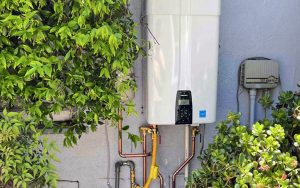
Tankless water heaters appeal to homeowners who want space and efficiency. Since they do not store hot water, they are usually smaller. Many are mounted on a wall, which helps in tight garages or utility rooms. Also, they can provide hot water for a long time when sized well. However, sizing is the key.
A tankless unit has a flow rate limit. Therefore, it may struggle when many fixtures run at once. Also, gas tankless units may need new venting or gas line changes. Electric tankless systems may need major electrical capacity. So, the installed price can rise.
Tankless systems often work best when:
- Space is limited.
- Fuel or electrical support is strong.
- Lower standby loss matters.
- Long showers happen often.
- The owner plans to stay.
However, annual flushing matters, especially in hard water regions.
Costs, Rules, and Real-World Fit
In California, permits and code checks can affect the final price. Venting, electrical work, and gas lines can also change it. Also, local rules can vary by city or air district. For example, the Bay Area has approved zero-NOx rules for small water heaters made after January 1, 2027. CARB also says its statewide concept would not force people to replace working heaters early.
| Factor | Tank Water Heater | Tankless Water Heater |
| Upfront cost | Usually, lower | Usually, higher |
| Space needs | Needs floor space | Often wall-mounted |
| Hot water supply | Limited by tank size | Long when sized right |
| Energy use | More standby loss | Less standby loss |
| Installation | Often simpler | Can need upgrades |
Because rules and rebates change, homeowners should ask a licensed plumber before choosing. Also, they should check local incentives when electric options matter.
How to Choose Without Regret
The right water heater should match real life, not a sales pitch. First, homeowners should count bathrooms and daily hot water habits. Next, they should think about peak use. For example, a family may need two showers, a dishwasher, and laundry close together.
Budget also matters. However, the lowest bid may skip needed updates. A safer estimate should include permits, code needs, disposal, venting, valves, and possible electrical work.
Before deciding, homeowners should ask how much hot water the home needs. They should also ask if the panel, gas line, or vent needs upgrades. Next, they should check warranty maintenance rules. They should also ask about current rebates and local code. Finally, comfort should guide the choice. A well-sized tank often beats an undersized tankless unit.
A Smarter Hot Water Decision Starts Here
Choosing between a tank and a tankless water heater in California can feel stressful. Still, both systems can work well when matched to the home. A tank water heater may suit a simple replacement and a tighter budget. Meanwhile, a tankless unit may suit small spaces, longer use, and lower standby waste. However, code rules, fuel type, and installation needs can change the answer fast.
For that reason, homeowners should get a professional review before buying. A plumber can check space, demand, permits, venting, and local requirements. Then, the choice becomes clearer. For expert help with tank and tankless options, contact DND Plumbing. Schedule a water heater consultation today.
FAQs
Is a tankless water heater worth it in California?
Yes, when space, fuel supply, and usage fit the system.
Do tankless water heaters give endless hot water?
They can, but only when sized for the home’s flow demand.
Is a tank water heater cheaper than a tankless one?
Usually, yes, because the unit and installation often cost less upfront.
Do California rules ban current water heaters?
No, current statewide concepts do not require early replacement of working heaters.Which water heater is best for a large family?
A large tank or a tankless system can work, based on peak use.